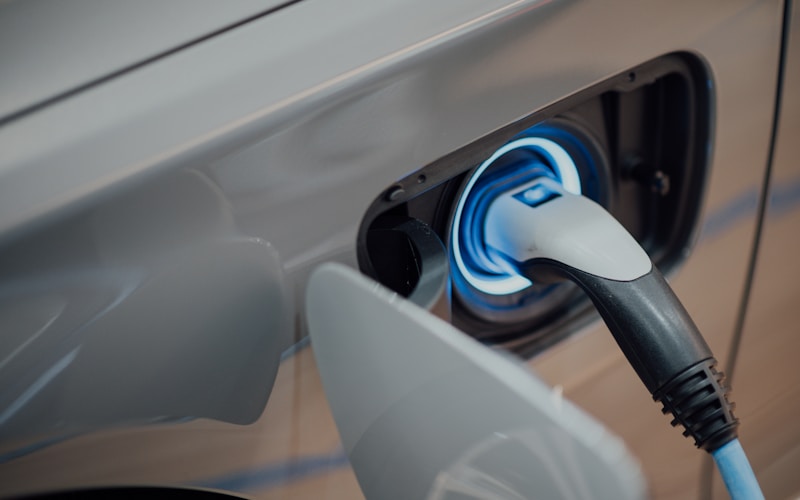
Electric vehicles are fundamentally different machines, and that difference extends to what happens when things go wrong on the road. The good news: EVs have fewer moving parts and break down less often. The catch: when they do need help, the playbook changes significantly.
The New Roadside Reality
Traditional roadside assistance was built around internal combustion engines: jump starts, fuel delivery, belt replacements. EVs eliminate most of these scenarios but introduce new ones. Understanding the differences can save you hours of waiting and prevent costly mistakes.
The most important thing to know: EVs require specialized handling. Not every tow truck or roadside technician is equipped or trained for electric vehicles. Always mention you're driving an EV when calling for help.
Running Out of Charge
Unlike running out of fuel, you can't just bring a can of electricity. When an EV's battery is depleted, your options are:
- Mobile charging units: Some roadside services now carry portable DC fast chargers that can give you enough range to reach a charging station. This is still rare but growing.
- Flatbed tow to charger: The most common solution. You'll be towed to the nearest compatible charging station.
- Destination tow: If you're close to home or a known charger, you might choose where to be towed.
Towing an EV: Why It Matters
This is critical: most EVs cannot be towed with wheels on the ground. Always request a flatbed tow truck for your EV.
The 12V Battery Trap
Your electric car still has a traditional 12V battery, and it can die just like in any other car. If your 12V battery dies, you might not be able to open the doors or start the car—even if your main battery is fully charged.
What to Tell Dispatch
When calling for EV roadside assistance, have this information ready: vehicle make/model, current battery percentage, whether the car will turn on, your charging cable situation, and nearest known charging station.
Cold Weather Considerations
Nordic EV drivers face an additional challenge: cold weather significantly impacts battery performance. Expect 20-40% less range in freezing temperatures.
